If you only know The Hill for dinner reservations, you are missing the bigger picture. This St. Louis neighborhood is also a compact, lived-in enclave where daily routines, local businesses, and long-standing community institutions all sit close together. If you are thinking about buying a home here or simply want to understand what life feels like block by block, this guide will help you picture the rhythm of everyday living. Let’s dive in.
What Makes The Hill Distinct
The Hill sits on St. Louis’ near south side and is generally bounded by Manchester, Kingshighway, Southwest and Columbia, and Hampton. City and neighborhood sources describe it as a roughly 52-square-block district on high ground with a long Italian-American identity.
Its history helps explain why the neighborhood feels so cohesive today. Earlier clay mining and brickmaking shaped the area, and over time The Hill became more self-supporting, with work, shopping, socializing, church, and school concentrated locally. That kind of development still shows up in how the neighborhood functions now.
The Hill also has a strong association structure that supports its identity. The Hill 2000 Neighborhood Association was formed in 1971 to help preserve the historic Italian-American community, and the Hill Business Association supports the commercial district alongside the neighborhood’s residential character.
Everyday Living Feels Local
One of the biggest draws of The Hill is that it feels like more than a destination. Official neighborhood sources consistently frame it as a place for home life, walking, shopping, and community, not just a restaurant district.
That matters if you are trying to picture your day-to-day life here. In many city neighborhoods, you may find either residential calm or commercial activity, but not always both. On The Hill, those pieces are closely connected.
You can see that in the business mix. The neighborhood’s own history page says The Hill has more than 30 restaurants, four Italian grocery stores, bakeries, a gelato shop, and a range of unique shops, while the business directory lists more than 75 small businesses.
Coffee, Errands, and Weekend Strolls
The Hill’s commercial life supports both routine needs and leisurely outings. The business directory includes coffee shops, restaurants, shopping, and professional services, which gives the neighborhood a practical everyday rhythm.
For example, Cafe Dolce on Daggett is a family-owned coffee shop serving Italian coffee, cookies, and pastries. Park Avenue Coffee Roasters also identifies itself as a neighborhood coffee shop, and The Marketplace on the Hill blends an antique market, Oliva Café, and wine-night programming.
Taken together, those businesses suggest a neighborhood that works well for weekday coffee runs, casual lunches, small errands, and local services. On weekends, the mood shifts a bit more toward dining, browsing, and strolling. The Hill’s official explore materials even frame the area as a place to window shop and explore.
Community Spaces Add Daily Rhythm
The Hill may be compact, but it still offers gathering places that shape how the neighborhood feels. Berra Park is the primary in-neighborhood park, and city records list it as a 4.8-acre park established in 1945.
The park includes a fountain, monument, soccer field, softball fields, pavilion, and playground. In a neighborhood this size, that kind of park can play an outsized role in everyday life by creating space for casual meetups, outdoor play, and neighborhood events.
The Hill’s explore page also points to Piazza Imo, Marconi Avenue, Edwards Street, and St. Ambrose as part of the neighborhood experience. These are the kinds of places that give an area texture beyond real estate listings. They help you understand how the neighborhood actually lives.
Events Keep The Hill Active
If you prefer a neighborhood with visible community activity, The Hill stands out. Its official explore page says there is always something going on, from parades and festivals to wine tastings at local markets.
That contributes to a social rhythm that can feel different from one day to the next. Weekdays are likely to feel more resident-focused, while weekends and event seasons bring more visitors and more visible energy. For some buyers, that mix is a real advantage because it creates both neighborhood familiarity and a sense of occasion.
At the same time, The Hill is not defined by events alone. The neighborhood’s structure supports year-round daily use, which is part of why it feels established rather than trendy.
St. Ambrose Remains A Key Anchor
St. Ambrose is one of the neighborhood’s best-known cultural anchors. The parish says it was founded in 1903 to serve Italian Roman Catholics in the area, and the current church building dates to 1926.
The parish describes itself as nestled among restaurants, bars, shops, and galleries, which reflects how integrated community institutions remain within The Hill’s streetscape. Even if you are not moving here for any one landmark, places like St. Ambrose help explain the neighborhood’s strong internal identity.
That kind of continuity can be meaningful when you are choosing where to live. It often signals a neighborhood with a long memory, active stewardship, and a clear sense of place.
Housing On The Hill
From a real estate perspective, The Hill is best described as established, character-heavy, and block-specific. If you are expecting a neighborhood of mostly uniform housing, this is not that.
City historical records show that very little residential construction happened before 1890. Early housing included shotgun-frame shanties and two-story frame tenements for mine workers, and later development added one-story brick houses.
Today, single-family dwellings generally predominate on The Hill itself, with a mix of two- and four-family flats in adjoining sections. That gives buyers a neighborhood with variety, but also one where condition and layout can differ meaningfully from one property to the next.
What Buyers Should Expect
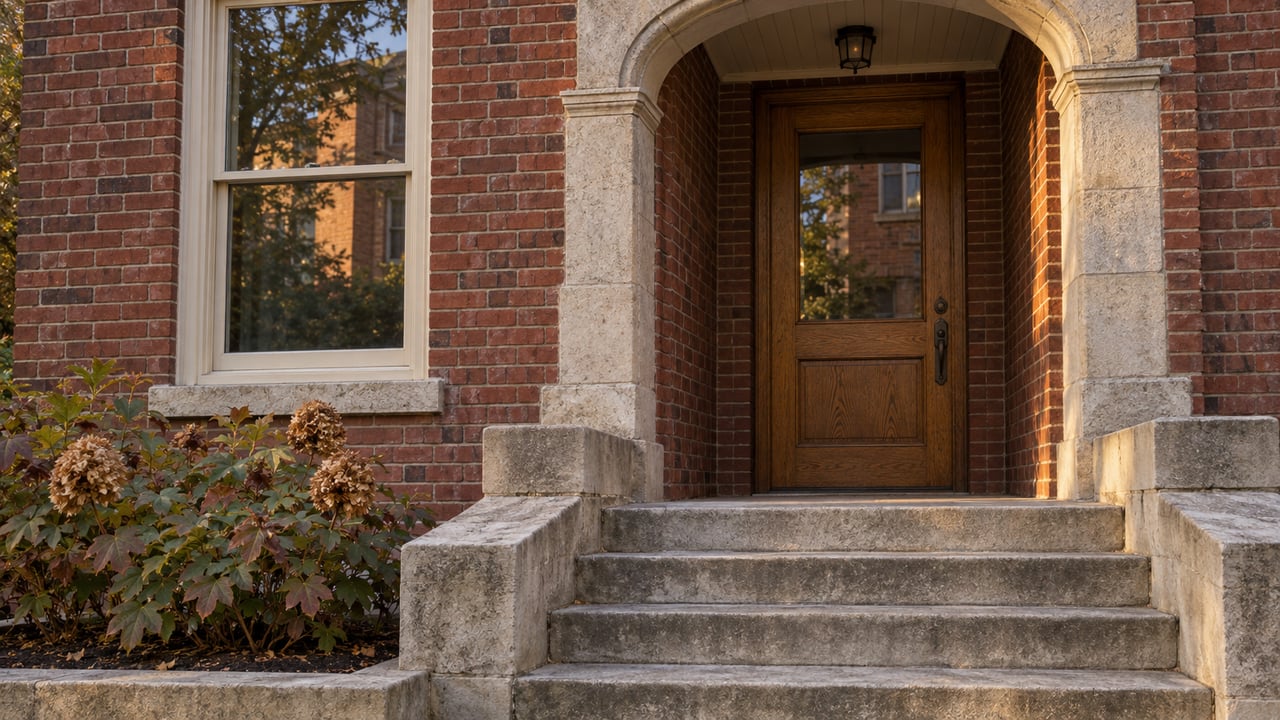
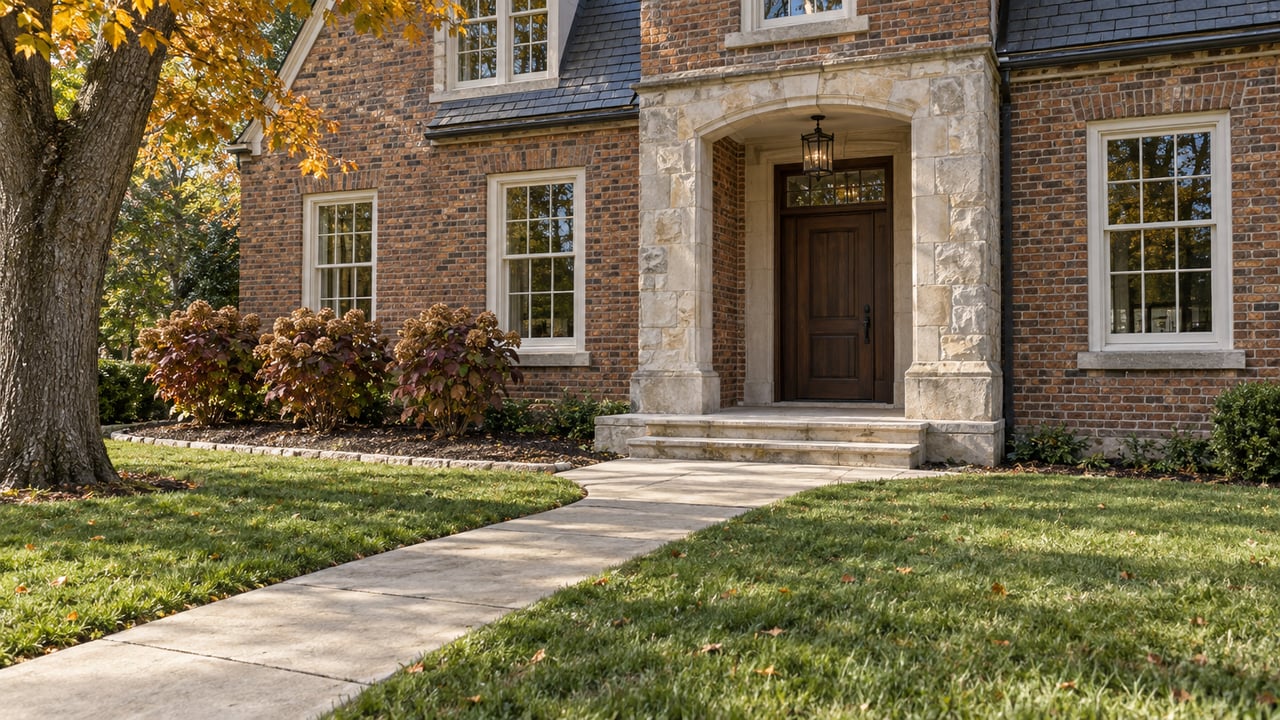
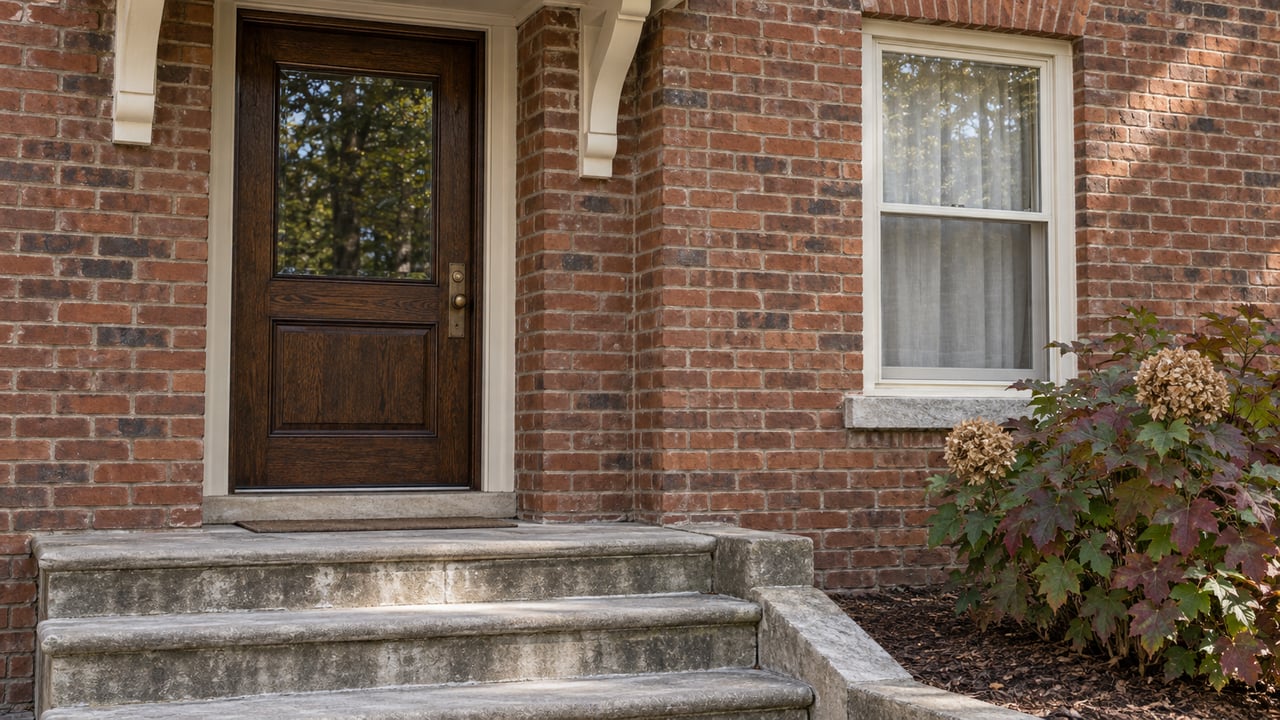
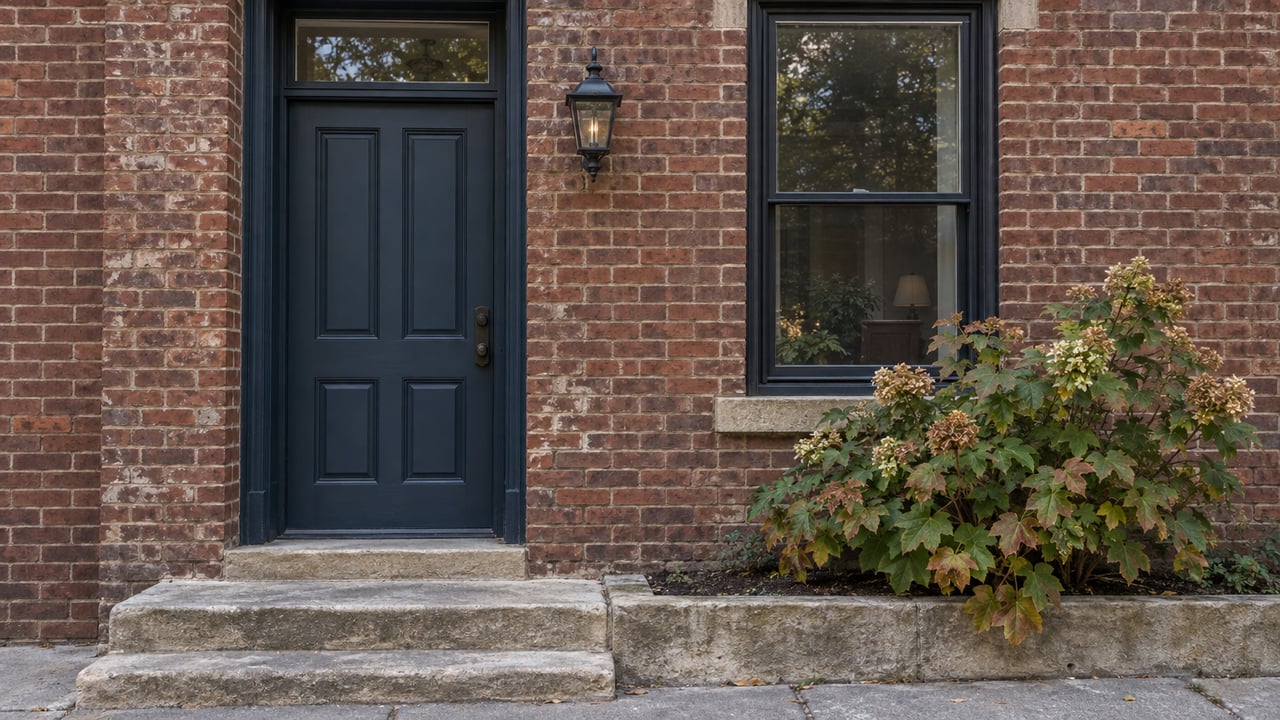
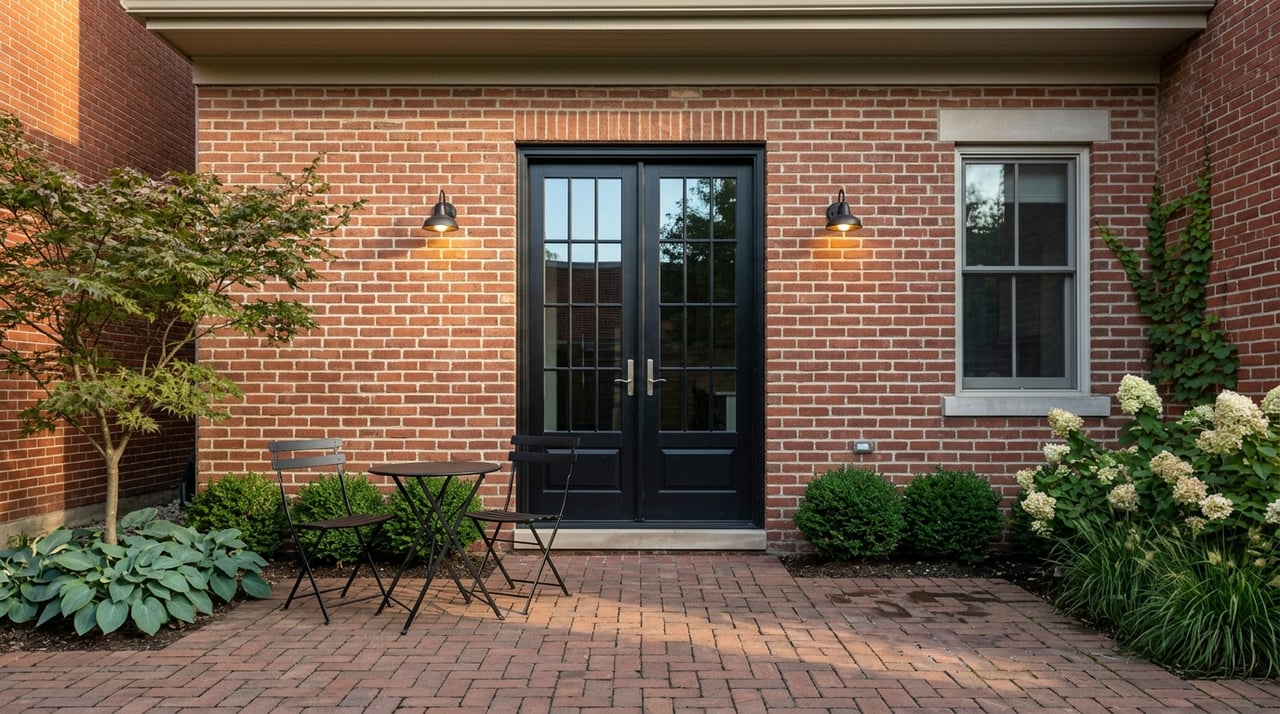
Most buyers should expect older homes with character rather than large-scale new construction. Official Hill materials reference classic shotgun architecture on Edwards Street, and the neighborhood’s house tour highlights shotgun and bungalow homes alongside rehabs and newer builds.
There is also selective infill. Recent townhome projects on The Hill have introduced new attached homes with brick fronts, rear-entry garages, and a city-street feel designed to fit the existing streetscape.
In practical terms, that means you may see:
- Older brick homes with established character
- Shotgun and bungalow-era designs
- Rehabs with updated interiors
- Some attached townhomes and newer construction
- Housing differences that change noticeably by block
For buyers, this makes in-person touring especially important. Two homes close together may offer very different layouts, finishes, and overall condition.
Why The Hill Appeals To Different Buyers
The Hill can appeal to several kinds of buyers because it offers both identity and convenience. If you are a first-time buyer, you may appreciate the neighborhood’s established housing stock, local business base, and strong sense of place.
If you are relocating within St. Louis, The Hill may stand out because it feels distinctly urban without losing a neighborhood-centered rhythm. And if you are downsizing or making a lifestyle move, the combination of local errands, dining, and walkable exploration can be especially attractive.
The key is understanding what kind of experience you want. The Hill is not trying to be everything to everyone. It tends to attract people who value character, continuity, and a neighborhood that feels actively lived in.
What To Notice When Touring Homes
When you tour homes on The Hill, it helps to look beyond square footage alone. Because the housing stock is varied and often older, the feel of the block and the specifics of the property matter a great deal.
Pay attention to:
- How close you are to dining and business corridors
- Whether the home is an original older property, a rehab, or newer infill
- Lot size, parking setup, and overall layout
- The condition of major systems and updates
- How the block feels during both quieter weekday hours and busier weekend times
That last point is especially useful here. The Hill has a different energy depending on the time of day and week, so seeing the area under more than one set of conditions can help you make a more confident decision.
Why Local Guidance Matters Here
Because The Hill is so block-specific, local interpretation can make a real difference. A neighborhood with this much character often requires more than a quick online search or a glance at listing photos.
You may need help comparing older homes to newer infill, understanding how one section feels different from another, and weighing lifestyle fit alongside the property itself. That is especially true if you are relocating, buying your first home, or balancing city character with practical day-to-day needs.
A strong home search here is not just about finding a house. It is about finding the right version of The Hill for the way you want to live.
If you are considering a move to The Hill or another St. Louis city neighborhood, Sarah Bravo can help you make sense of the options with clear guidance, local insight, and a low-stress plan.
FAQs
What is everyday life like on The Hill in St. Louis?
- Everyday life on The Hill blends local errands, coffee shops, dining, neighborhood institutions, and community gathering spaces in a compact urban setting.
What kind of homes can you find on The Hill in St. Louis?
- Buyers will usually find older character homes, including brick, shotgun, and bungalow-era housing, along with some rehabs, flats in nearby sections, and selective newer infill.
Is The Hill in St. Louis just a restaurant neighborhood?
- No. Official city and neighborhood sources describe The Hill as a lived-in enclave with residential life, shopping, services, parks, and community institutions alongside its well-known dining scene.
Are there parks and public gathering spaces on The Hill in St. Louis?
- Yes. Berra Park is the neighborhood’s primary park and includes amenities such as a fountain, sports fields, a pavilion, and a playground.
What should homebuyers pay attention to when touring homes on The Hill in St. Louis?
- Buyers should focus on block-by-block differences, home condition, layout, parking, proximity to activity areas, and how the neighborhood feels during both weekday and weekend hours.