If you are buying your first home, North Hampton can feel like a smart but slightly tricky place to start. You may see charming brick homes, appealing prices compared with some nearby areas, and listings that look move-in ready, but older South City housing can come with details that matter far more than fresh paint. This guide will help you understand what starter homes in North Hampton look like, what issues to watch for, and how to prepare for a confident first purchase. Let’s dive in.
Why North Hampton Appeals to First-Time Buyers
North Hampton, often spelled Northampton on real estate portals, offers the kind of housing character many first-time buyers want in St. Louis. The neighborhood reflects a mix of prewar and postwar development, which helps explain why the housing stock can vary so much from block to block.
That variety can work in your favor. You may find brick bungalows, Tudor-inspired homes, mid-century brick ranches, and postwar sided homes, all within the same neighborhood. For a first-time buyer, that means more options, but also more need to look past surface-level updates.
Recent market snapshots place North Hampton starter-home conversations in the high-$200Ks. Realtor.com’s April 2026 neighborhood summary shows a median listing price of $285,000 and a median sold price of $275,000, while Zillow reported an average home value of $244,822 and a median list price of $269,150 as of April 30, 2026.
What Starter Homes Look Like Here
Brick bungalows are a common fit
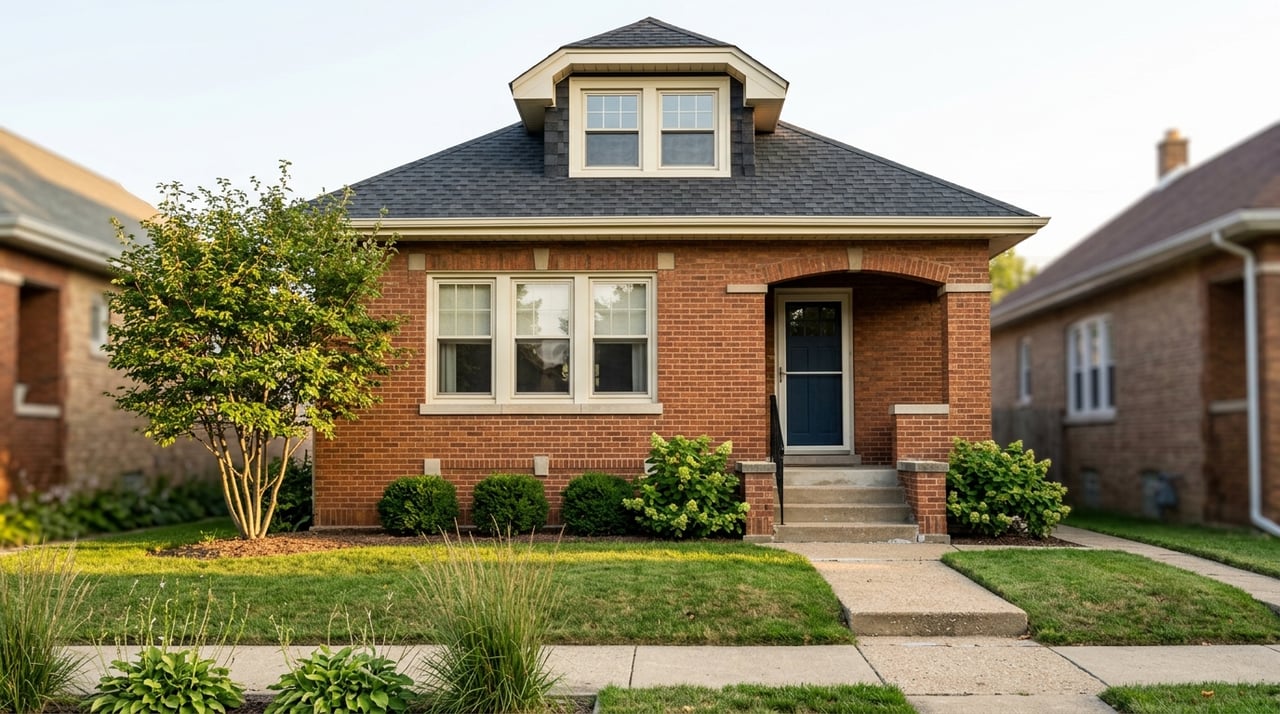
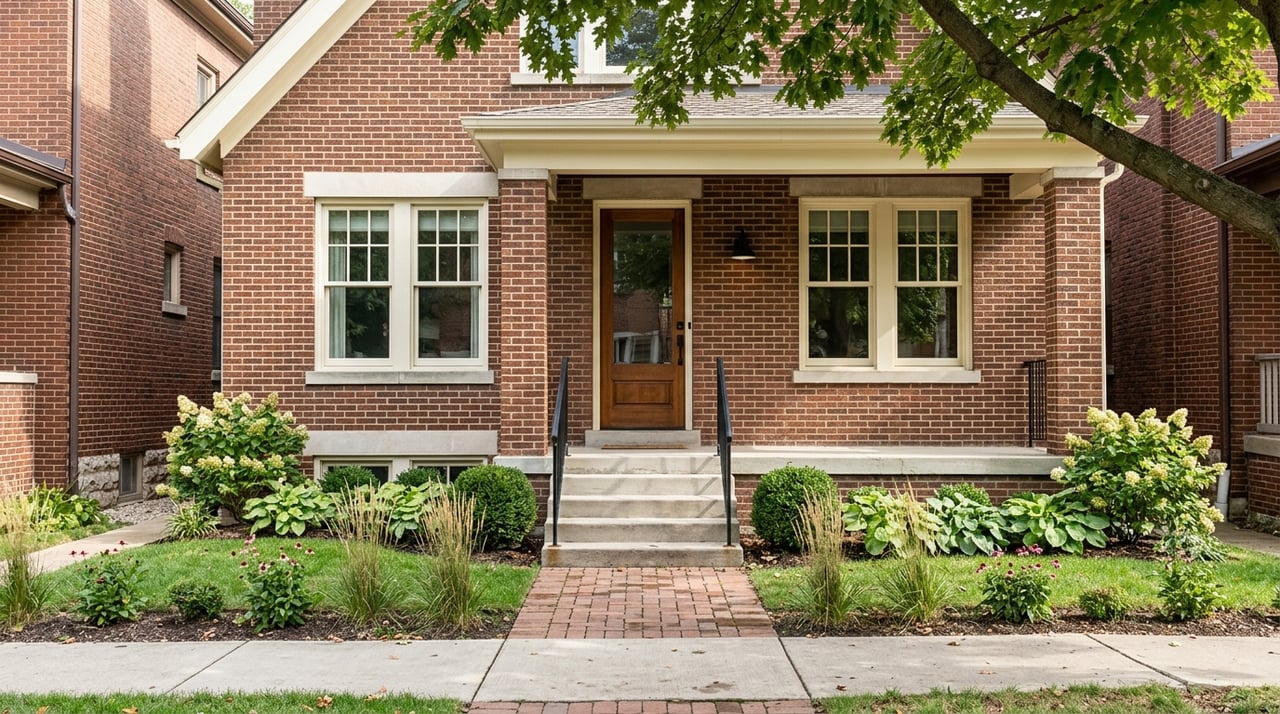
One of the most recognizable North Hampton starter homes is the bungalow. The City of St. Louis describes a bungalow as a low, usually one-story house with a broad front-facing gable and porch posts, often built in frame or masonry.
In local conversation, many of the neighborhood’s 1920s and 1930s brick bungalows are called gingerbreads. If you are drawn to that classic South City look, this is likely the style you will see most often in your search.
Tudor details show up too
You may also come across Tudor Revival homes. The city’s preservation guidance describes these as typically brick homes with a prominent front gable, dormers, casement windows, and decorative half-timbering.
These homes can look especially distinctive in listing photos. They may also come with older materials and systems, so charm should always be matched with careful due diligence.
Postwar homes bring a different option
Because parts of North Hampton developed later, especially west of Macklind after World War II, you may also find postwar homes and mid-century brick ranches. These can appeal to buyers who want a simpler layout or a different maintenance profile than a 1920s home.
Even so, age and condition still vary widely. A newer look does not always mean fewer repair needs.
How to Read Listing Photos Carefully
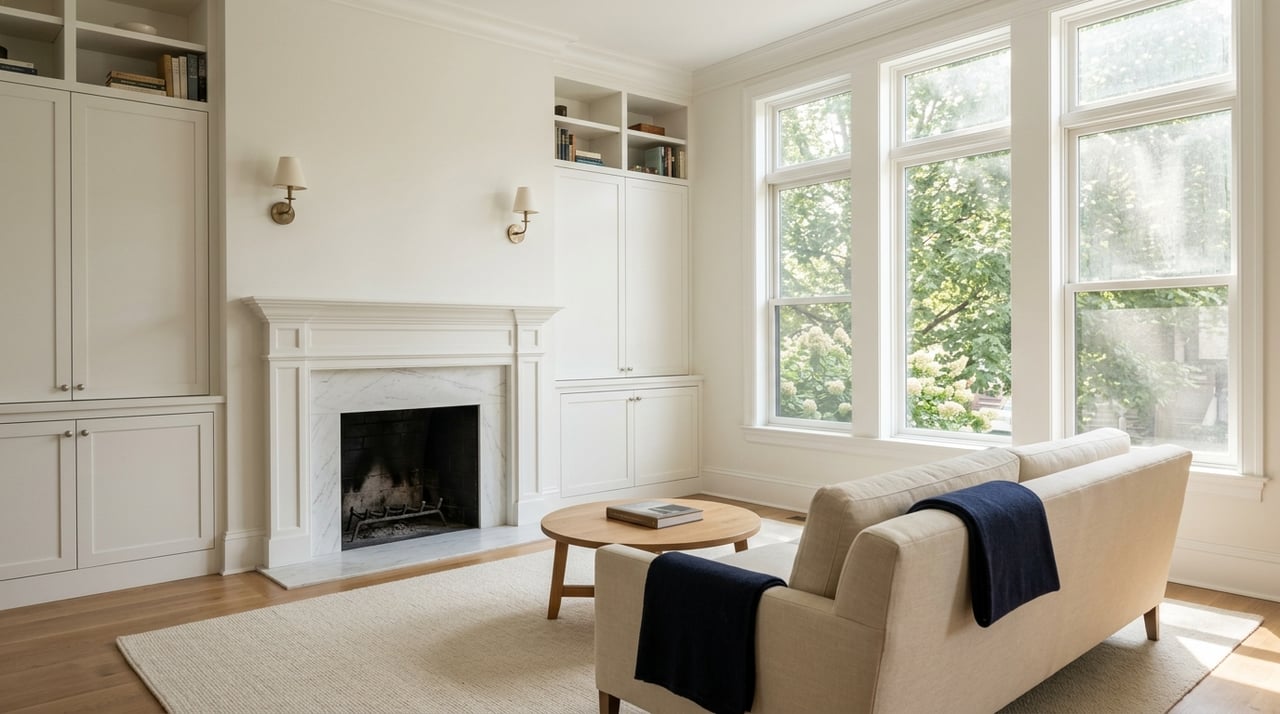
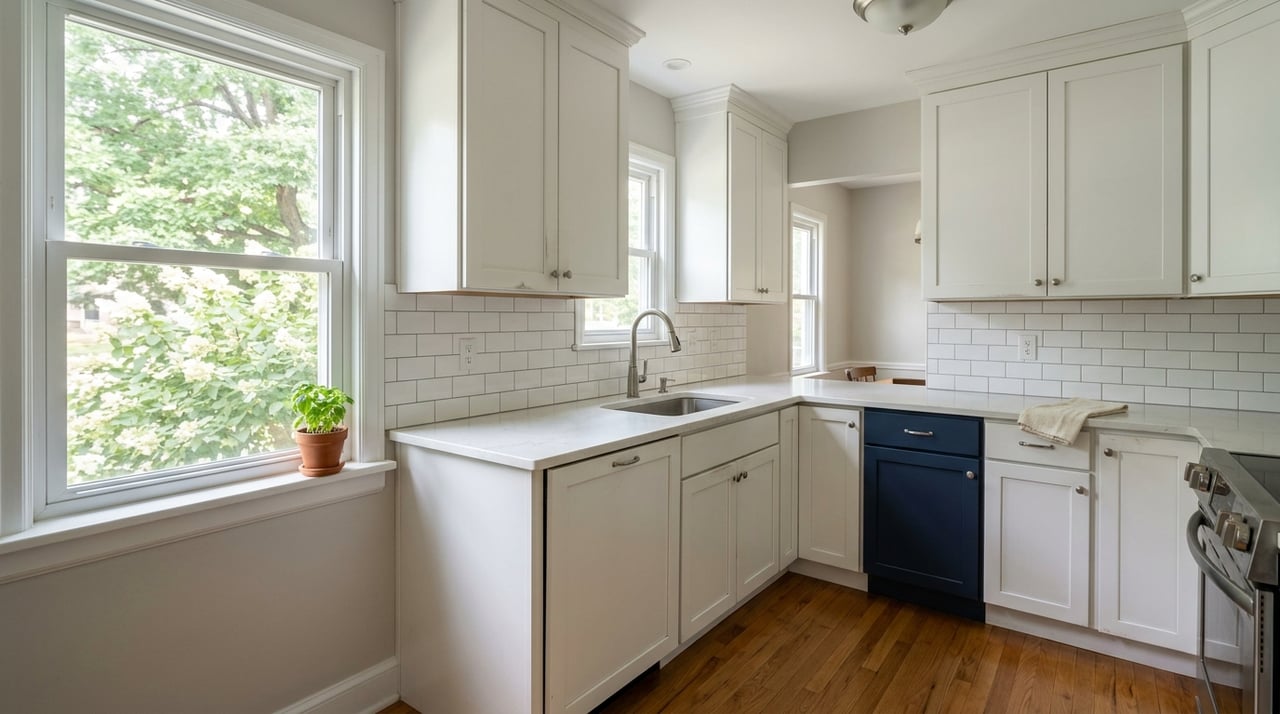
Listing photos can help you narrow your search, but they should never be your only filter. In North Hampton, a beautifully staged kitchen tells you very little about the systems that can affect your budget after closing.
When you scroll through photos, look for clues about style and condition:
- A low roofline, broad front porch, and compact masonry shell often point to a bungalow
- Steep front gables, dormers, and half-timbering often point to Tudor Revival design
- Clean cosmetic updates do not confirm the condition of the roof, foundation, sewer lateral, or electrical service
If a listing only highlights the living room, kitchen, and bedrooms, ask for more detail. Basement photos, utility-area photos, exterior images, and documentation on updates can tell you much more about whether a home is truly ready for ownership.
Why Older-Home Inspections Matter
The City of St. Louis says its residential occupancy inspection is a basic code check for minimum interior violations and exterior standards. It is not a warranty for the home or its systems, and the city notes that buyers may want a commercial-grade building inspection.
That matters in North Hampton because many homes can look updated on the surface while still having deferred maintenance underneath. As a first-time buyer, this is where careful inspection can protect both your budget and your peace of mind.
Common issues buyers should watch for
In older St. Louis homes, several issues tend to come up more often than cosmetic flaws:
- Foundation movement tied to expansive clay soil
- Roof wear from hail and wind
- Older wiring in pre-1960 homes
- Plumbing systems with galvanized or cast-iron materials
- Basement moisture and mold concerns
- Radon concerns
- Termite or other wood-destroying insect issues
These are the kinds of findings that often matter more than a staged living room or a freshly painted wall. They can shape repair discussions, future maintenance costs, and whether a home still fits your comfort level.
Sewer, Water, and Permit Details to Ask About
Sewer laterals deserve special attention
In the City of St. Louis, many sewer lines are more than 100 years old and made of clay pipe. The city also says the sewer lateral running from the home to the MSD main is private property.
That means this part of the system can become your responsibility after closing. The city also notes that tree roots and clogs are not covered by its sewer lateral repair program, which makes sewer information especially important when you are evaluating an older home.
Water service lines matter too
The city says property owners remain responsible for service lines, and the Water Division is updating its lead service line inventory. For a first-time buyer, that makes it worth asking what is known about the water service line and whether any replacement work has been completed.
You do not need to panic about every older home. You just want clear information before you move forward.
Permits can tell part of the story
If a listing says the home has been updated, ask what kind of work was done and whether permits were required. In the city, structural changes, foundation repair, basement conversions, and non-like roof replacement generally require permits, while tuckpointing, painting, and like-for-like gutter or window repair usually do not.
That distinction can help you understand whether an update was mostly cosmetic or whether larger improvements may have been completed. It is a practical way to dig deeper without overcomplicating the process.
What the Market Pace Means for You
North Hampton inventory appears limited, but not every listing moves at the same speed. Zillow showed 14 homes for sale, while Realtor.com’s April 2026 summary showed 26 active listings and 26 median days on market.
The safest takeaway is simple. Well-priced homes can still move quickly, but pace varies based on condition, price point, and how well a property is presented.
For you, that means being prepared before you fall in love with a house. It helps to know your budget, understand your must-haves, and be ready to act when the right fit appears.
A Smart First-Time Offer Strategy
Get pre-approved early
A pre-approval letter can strengthen your offer and help you shop with more clarity. It also keeps you from wasting time on homes that stretch beyond your comfort zone.
For first-time buyers, this is one of the best ways to reduce stress. You can tour with a plan instead of guessing as you go.
Focus inspections on material risks
In a neighborhood with older housing stock, it often makes sense to keep your inspection contingency focused on meaningful items rather than cosmetic imperfections. That usually means paying closest attention to issues such as:
- Roof condition
- Sewer concerns
- Foundation issues
- Electrical safety
- HVAC performance
- Active moisture problems
This approach helps you stay practical and competitive while still protecting yourself from major surprises. It is not about ignoring defects. It is about prioritizing what can affect safety, function, and long-term cost.
A City Resource First-Time Buyers Should Know
The City of St. Louis ARPA site says $50,000 is available for qualified first-time homebuyers purchasing a home in the city. If you are renting now and comparing monthly costs, this is the kind of resource that can make your path to ownership look more realistic.
Because programs can have qualification rules and availability limits, it helps to ask early how this type of assistance may fit into your plan. Knowing your options upfront can shape both your budget and your home search strategy.
How to Buy with More Confidence
North Hampton can be a great place to start if you want classic South City housing, a range of architectural styles, and a price point that often lands in the high-$200Ks. The key is knowing that two homes with similar listing photos can offer very different ownership experiences.
When you look past staging and focus on structure, systems, sewer, water, and the real story behind updates, you put yourself in a stronger position. That is how you buy your first home with confidence instead of crossing your fingers.
If you are thinking about buying in North Hampton and want calm, clear guidance through the process, Sarah Bravo and Team Bravo can help you understand the neighborhood, compare homes thoughtfully, and build a smart plan for your first purchase.
FAQs
What price range should first-time buyers expect in North Hampton?
- Recent 2026 market snapshots suggest many North Hampton starter-home conversations center on the high-$200Ks, with homes priced lower or higher depending on size, updates, and condition.
What types of starter homes are common in North Hampton?
- Buyers often see brick bungalows, sometimes called gingerbreads locally, along with Tudor Revival homes, mid-century brick ranches, and postwar sided homes.
What should buyers in North Hampton look for beyond listing photos?
- Ask for basement, utility, and exterior photos, plus information about the roof, foundation, sewer lateral, electrical service, and major system updates.
What does the City of St. Louis occupancy inspection cover for North Hampton homes?
- The city says its residential occupancy inspection is a basic code check for minimum interior violations and exterior standards, and it is not a warranty for the home or its systems.
Why is a sewer lateral important for North Hampton first-time buyers?
- The city says the sewer lateral from the home to the MSD main is private property, and many sewer lines are old clay pipe, so sewer condition can have a direct impact on future repair responsibility.
Is there first-time buyer assistance for homes in the City of St. Louis?
- The City of St. Louis ARPA site says qualified first-time homebuyers purchasing a home in the city may have access to $50,000 in assistance.