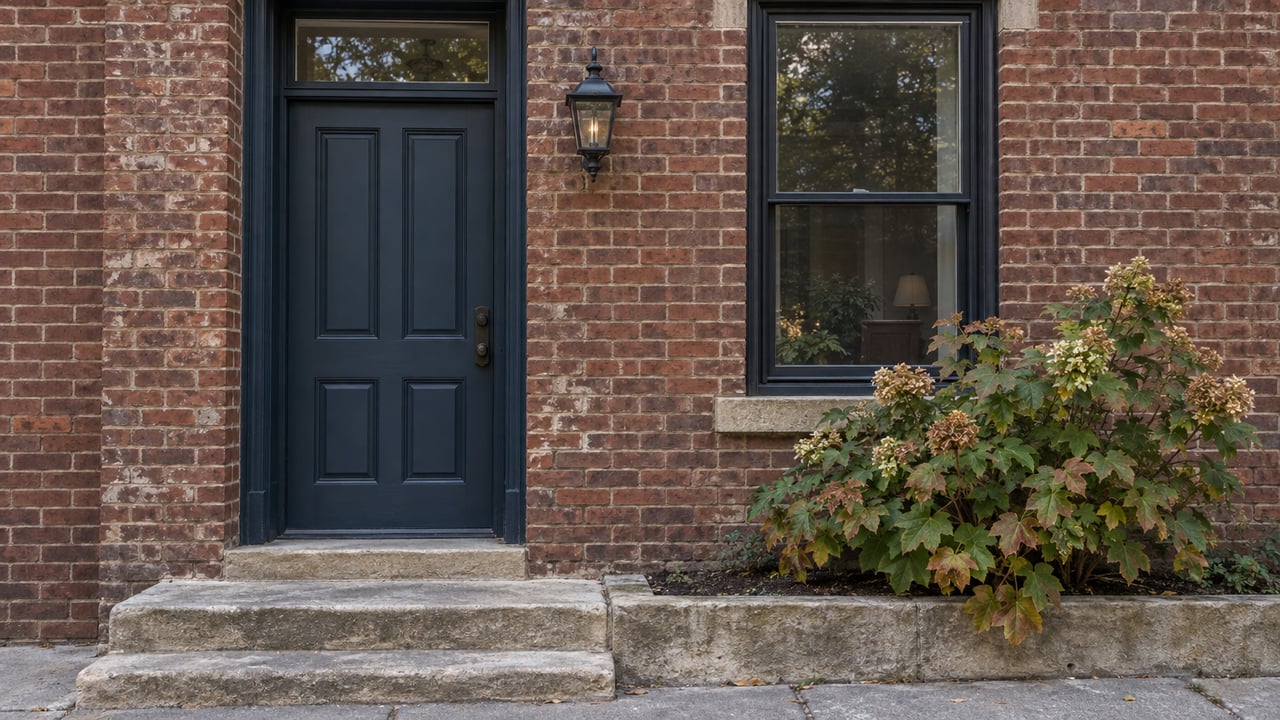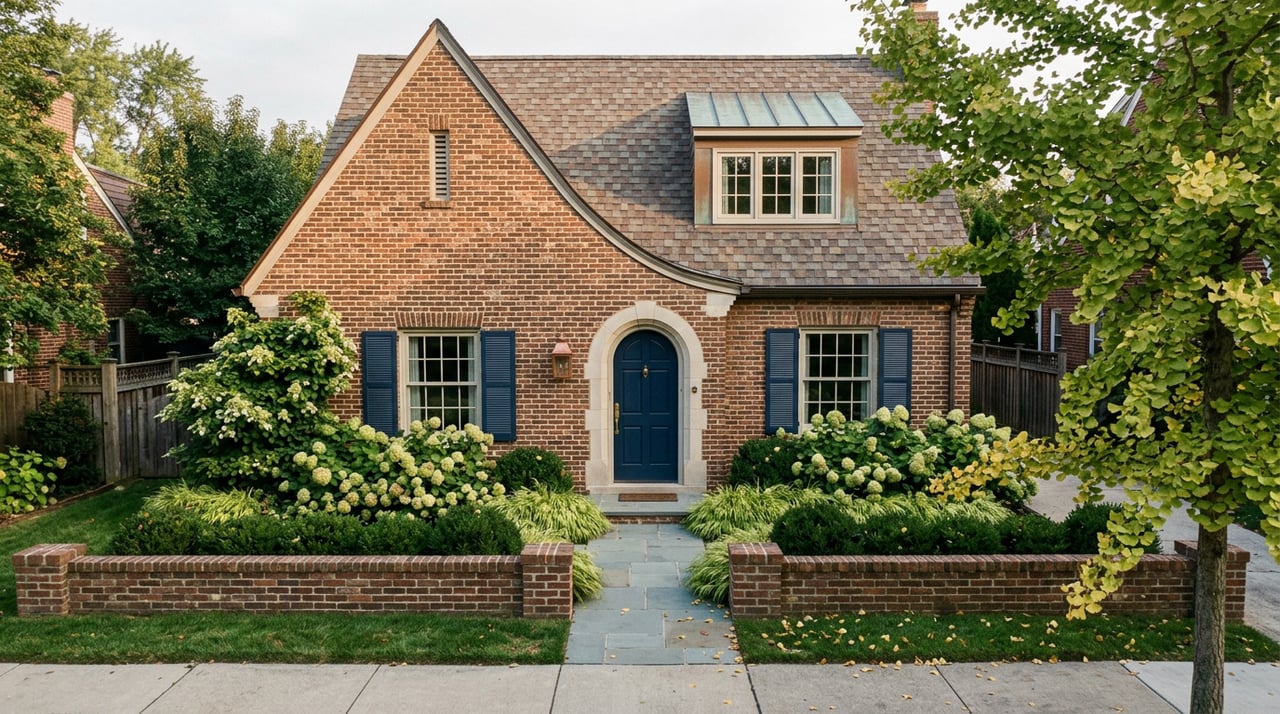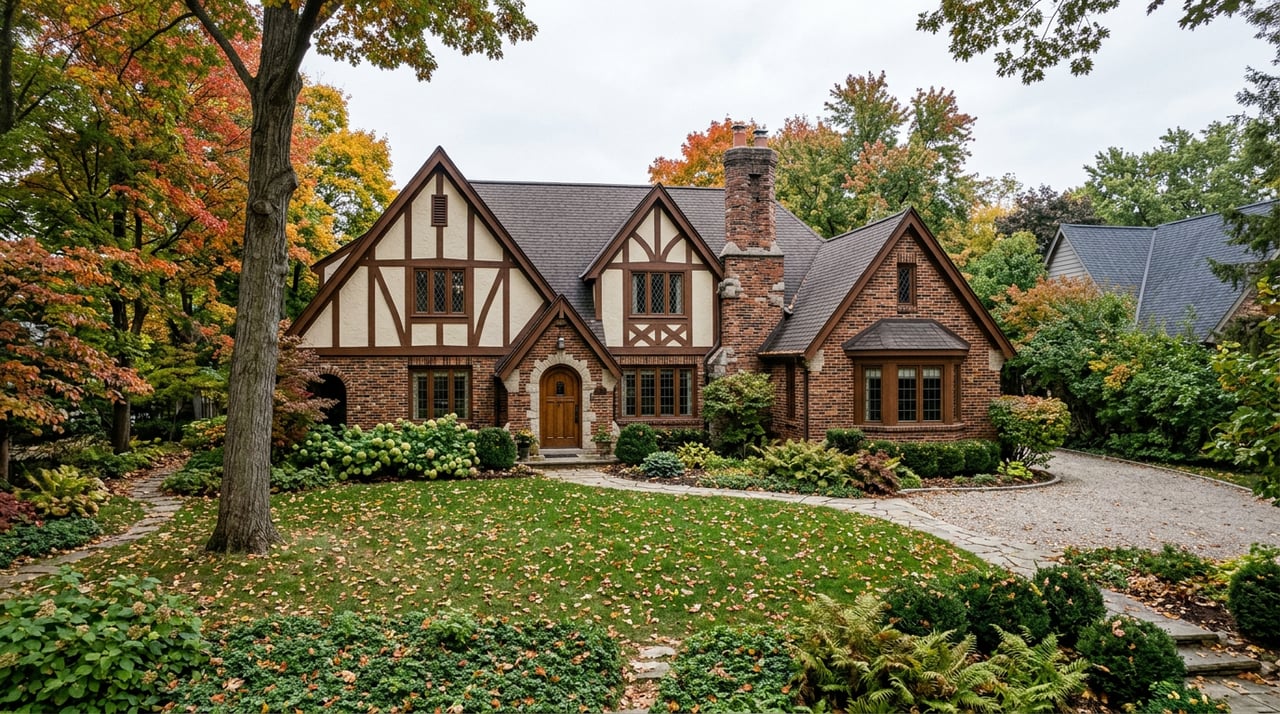
Scroll through active and recently closed listings in St. Louis Hills and you'll start noticing a phrase repeated in all caps: HOUSE HAS PASSED OCCUPANCY. Agents drop it into the listing description the way they'd mention a new roof or a finished basement, a clean bill of health meant to reassure a buyer before they've even scheduled a showing.
It's a real credential. It's also a much narrower one than the phrasing suggests. The city's occupancy inspection checks whether a house meets minimum property maintenance code, not whether the systems buried underneath it are sound. And in a neighborhood built almost entirely between the 1930s and the 1960s, on streets lined with the mature trees that make St. Louis Hills worth touring in the first place, the system most likely to turn a smooth closing into a week-three renegotiation isn't anything an occupancy inspector looks at. It's the sewer lateral running from the back porch to the street, and the city program that sounds like it protects sellers from that cost mostly doesn't.
What the Certificate Actually Certifies
Every property in the City of St. Louis sits inside a Housing Conservation District, which means every residential sale requires a Certificate of Inspection before the buyer can legally occupy the home. The inspection checks basic exterior standards under the International Property Maintenance Code and confirms the house doesn't have obvious interior code violations. It also sets the number of people who can safely occupy the unit.
That's the whole scope. The city's own materials are direct about it: an inspection does not guarantee or warrant the overall condition of the building or its systems, and buyers are encouraged to arrange their own commercial-grade inspection if they want that kind of assurance. The certificate is valid for twelve months once issued, and a seller can typically get one scheduled within three to fifteen business days of applying. If the inspector finds violations, the owner has thirty days to fix them before the certificate is issued.
None of that touches plumbing that isn't visibly leaking, wiring that isn't exposed, or a foundation that hasn't visibly cracked. It especially doesn't touch anything running underground.
The Blind Spot Built Into the Exemption
Here's the detail that matters for St. Louis Hills specifically, where homes tend to change hands less often than in newer subdivisions. Owner-occupied properties are exempt from the periodic reinspection cycle the city requires for rentals, which runs every three years or with any change in tenancy. If you've lived in your Nottingham Avenue Tudor or your Donovan Avenue ranch for twenty years and never rented it out, there's a real chance no inspector has walked through your house since you bought it.
That exemption is sensible on its own terms. It also means that for a lot of long-tenured St. Louis Hills owners, the first outside inspection their home receives in decades happens the moment they decide to sell. Whatever that inspection turns up, deferred gutter repair, a porch rail that's drifted out of code, a smoke detector gap, arrives as a surprise in the middle of a transaction rather than something the seller had years to plan around.
That same logic extends to the one system an occupancy inspection never checks at all.
Where the Age of the House Meets the Age of the Pipe
St. Louis Hills isn't architecturally uniform, and the split matters here. North of Eichelberger Street, the housing stock leans into the 1930s and 40s, art deco duplexes and the row of bungalows on Bancroft Avenue that longtime residents call the Hansel and Gretel houses for their storybook detailing. South of Eichelberger, in what was developed as St. Louis Hills Estates, the homes are mostly brick ranches built after World War II on larger lots.
Both sides of that line were built during the decades when clay tile was the standard material for residential sewer laterals, the pipe that carries a home's waste from the house to the public sewer main. Clay pipe shifts as the ground settles, and it cracks at the joints where tree roots can get in. That's the part that catches people off guard, because it isn't really about the house's age. It's about the pipe's material, and a maintained 1948 brick ranch and a maintained 1938 Tudor bungalow can both be sitting on the exact same underground problem regardless of how well the house above ground has been kept.
The sewer lateral is private property from the house all the way to the public main. To help offset the cost of failures, every residential owner in the city pays a $28 annual fee through their property taxes into the Sewer Lateral Repair Program. That fee sounds like insurance. It functions more like a narrow rider.
A passed occupancy certificate confirms the paint and the smoke detectors meet code. It says nothing about the sixty feet of clay pipe running from the back porch to the property line, and neither does the fund most sellers assume is covering it.
The program only pays for breaks under the public right of way, the stretch of pipe under the street or sidewalk. It explicitly does not cover any break under private property, which is most of the pipe on a typical St. Louis Hills lot given how far most houses sit back from the street. And it does not cover clogs or tree root intrusion anywhere along the line, public or private. Root intrusion is the single most common way a lateral fails in a neighborhood built around mature parkway trees. It's also the one failure mode the fee everyone already pays does nothing at all to address.
What This Looks Like in an Escrow Right Now
For a few years, this risk mostly stayed invisible. Buyers competing for St. Louis Hills bungalows in 2021 through 2023 routinely waived inspection contingencies to win a bidding war, which meant a bad lateral could ride along undetected until it backed up for the new owner. That environment has cooled through 2026, and standard inspection and appraisal contingencies have returned to most contracts written in the metro this year. Buyers who once skipped due diligence to compete are back to ordering a camera scope of the lateral line as a routine part of their inspection, the same way they'd order a radon test.
That means the lateral question is far more likely to surface during escrow than it was two years ago, and it surfaces as leverage. A collapsed or root-choked lateral typically runs $5,000 to $15,000 to excavate and replace. If a buyer's inspector finds it, the negotiation isn't over whether the repair happens. It's over who pays for it and whether the $28-a-year fund is going to help, which for most of the pipe on a St. Louis Hills lot, it won't.
| Housing Conservation District Certificate of Inspection | Sewer Lateral Repair Program | |
|---|---|---|
| What it checks or covers | Exterior maintenance standards, basic interior code, occupancy load | Repairs to the lateral segment under the public right of way only |
| What it explicitly excludes | Condition of plumbing, electrical, HVAC, or structural systems | Any break under private property; any clog or root intrusion, anywhere on the line |
| Who it's required for | Any residential sale, unless a valid certificate already exists | Voluntary claim process, filed after a defect is documented |
| How long it's valid | 12 months from issuance | N/A, it's a reimbursement program, not a certification |
A Pre-Listing Sequence That Skips the Surprise
Sellers who get ahead of this tend to follow a version of the same order of operations.
- Pull your home's permit and inspection history through the city's property records before you list, so you know whether a Certificate of Inspection has ever been issued and when.
- Schedule the Certificate of Inspection early, given the three-to-fifteen-day scheduling window and the thirty-day repair window if violations turn up. Doing this before you have a signed contract keeps a minor code item from becoming a closing-week scramble.
- Hire a licensed plumber to camera-scope the full lateral, not just the public right-of-way segment, before a buyer's inspector does it for you. If there's a problem on the private side, you want to know the number before it's a demand letter.
- If the scope finds a defect under the right of way, file the Sewer Lateral Repair Program claim before closing rather than leaving it for the buyer to sort out after the sale, since the reimbursement process is built around the current owner completing the application.
None of this requires assuming the worst about a house that's been well cared for. It just means treating the buried pipe with the same seriousness as the roof, since it's the one system a passed occupancy inspection was never designed to catch.
FAQ
Does passing the city's occupancy inspection mean the sewer lateral is fine? No. The occupancy inspection is a property maintenance check under the International Property Maintenance Code. It doesn't test or evaluate the sewer lateral, the plumbing, or any other buried system.
I've owned my home for years and never sold or rented it. Will I still need an inspection now? Almost certainly yes. Owner-occupied homes are exempt from the periodic reinspection cycle that applies to rentals, but a sale itself triggers the requirement if you don't already hold a certificate issued within the past twelve months.
If my lateral fails under my own yard, is there any city program that helps pay for it? Not currently. The Sewer Lateral Repair Program only reimburses repairs to the segment under the public right of way, and it doesn't cover root or clog-related failures anywhere on the line, public or private.
If you're weighing a sale in St. Louis Hills and want a realistic read on what a buyer's inspector is likely to flag, and what's worth handling before you list versus negotiating after an offer, Team Bravo can walk through your specific block, your home's age, and your timeline. Contact Us to start that conversation.