Wondering whether St. Louis Hills is worth the higher price tag? If you are trying to balance charm, outdoor space, home style, and daily convenience, this neighborhood often comes up for good reason. St. Louis Hills offers a distinct feel within southwest St. Louis, and understanding that feel can help you decide whether it matches the way you want to live. Let’s dive in.
What St. Louis Hills feels like
St. Louis Hills sits in southwest St. Louis, bordered by Chippewa, Hampton, Gravois, and the city limits. The city describes it as one of the last large areas developed within the 1876 city boundary, with most homes built from the 1930s through the 1950s. That history still shapes the neighborhood today.
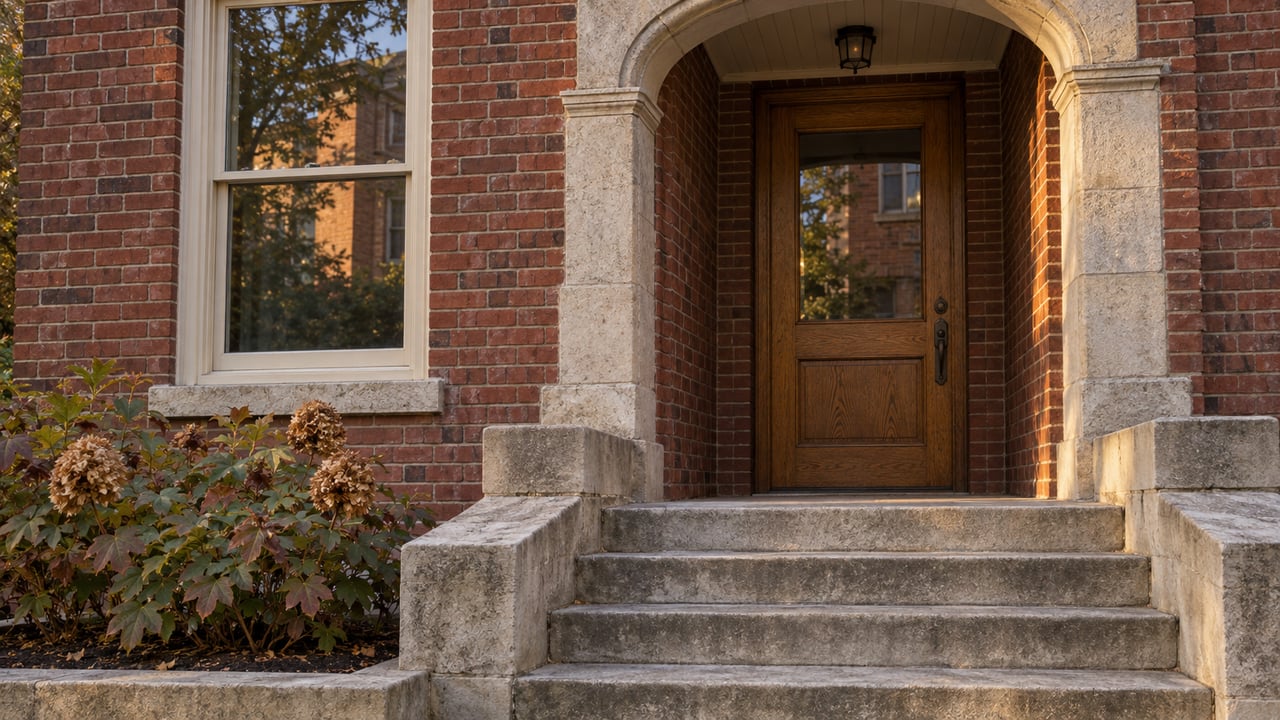
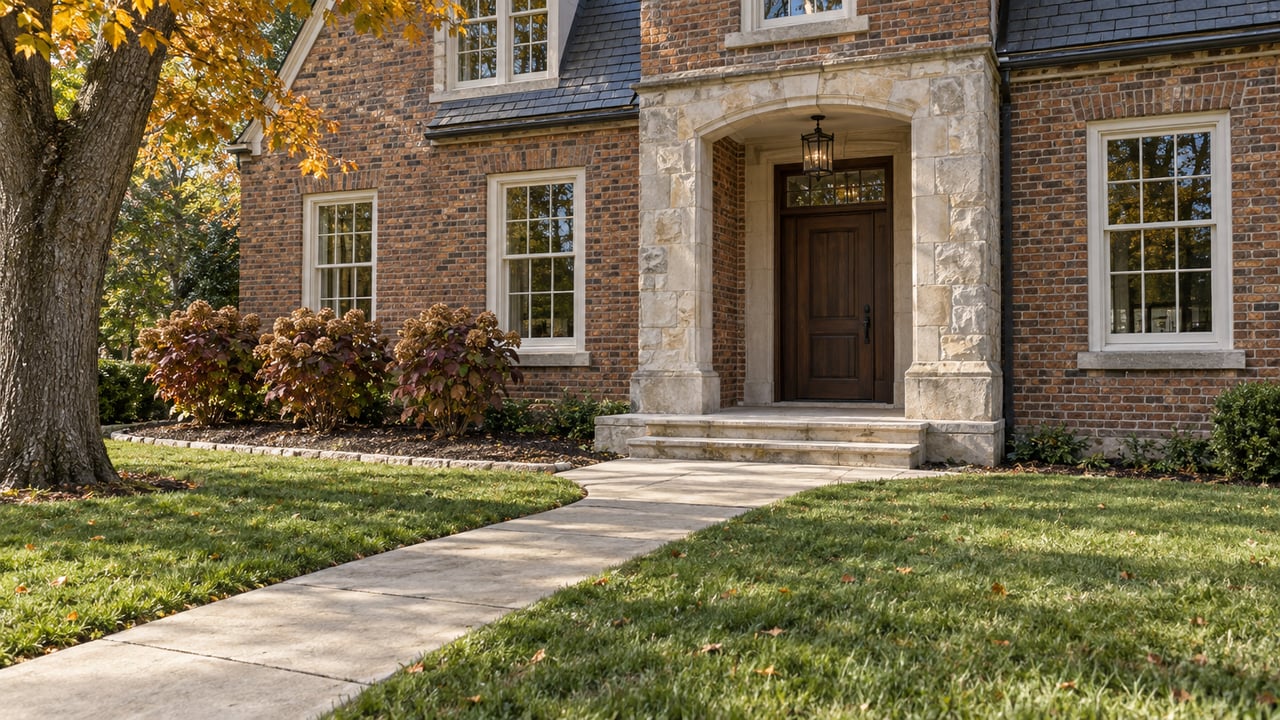
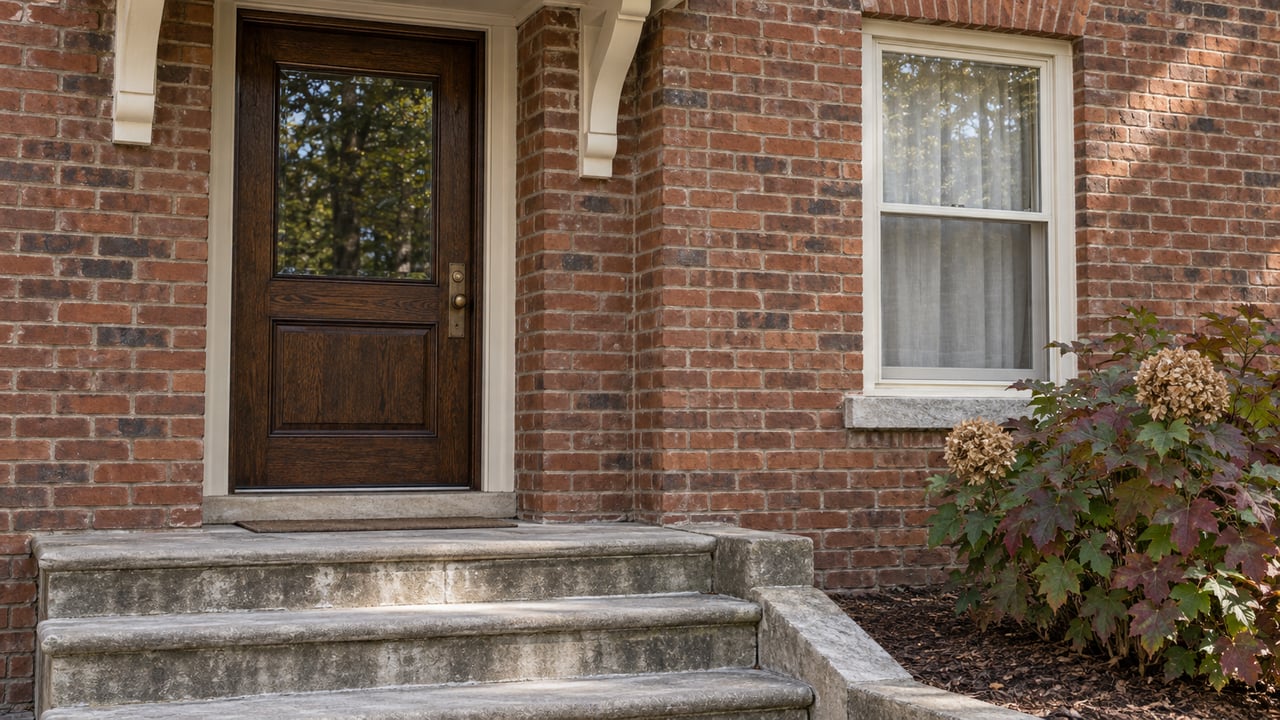
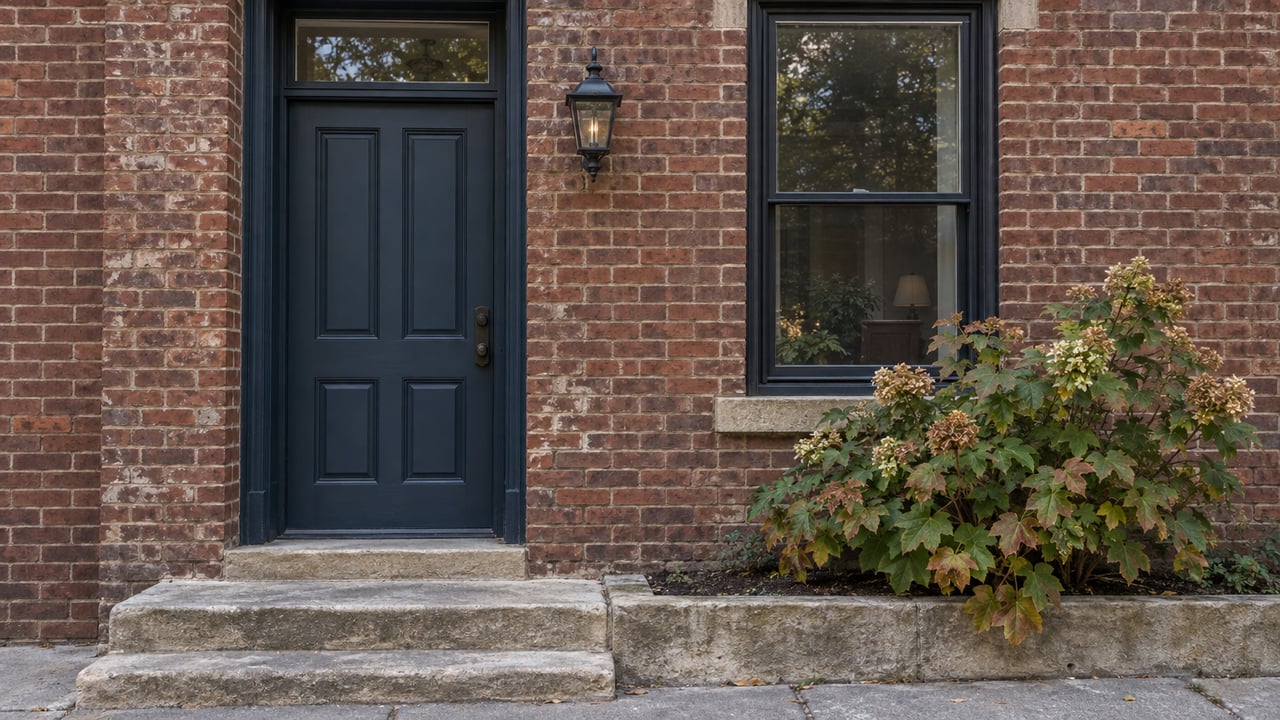
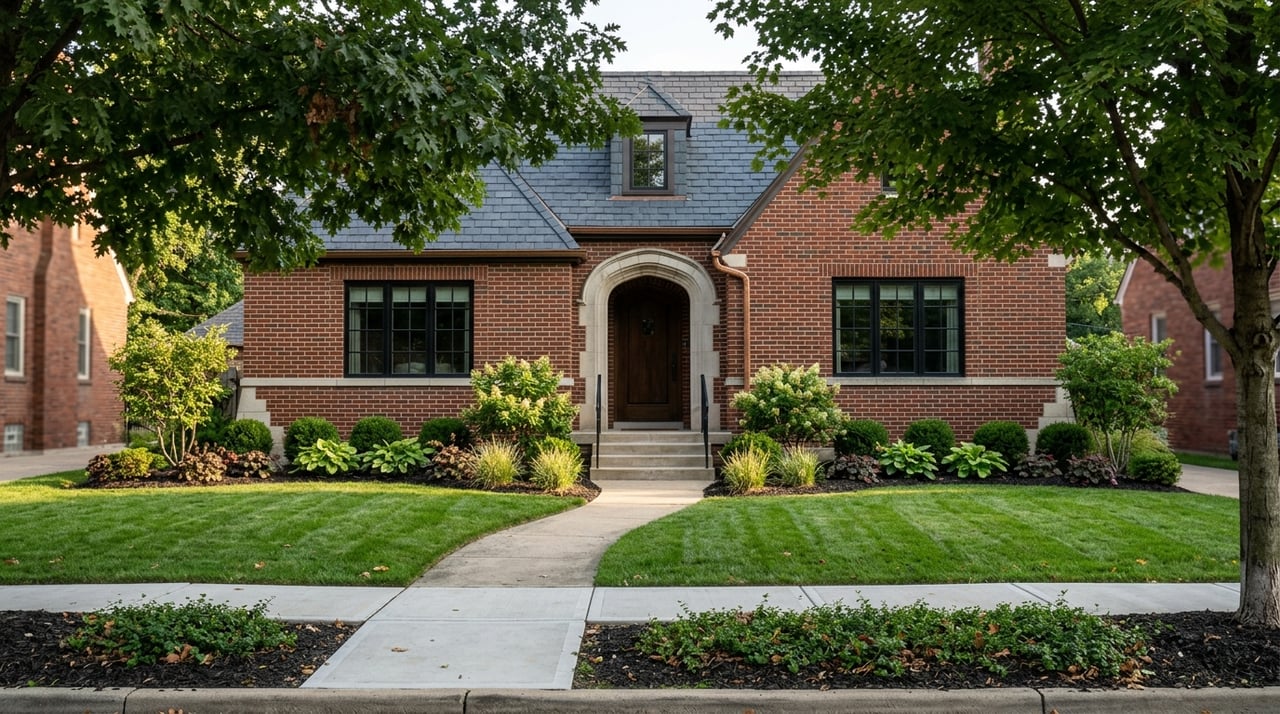
You will notice a strong brick presence and a more established residential look than in many nearby areas. According to the neighborhood overview, the housing mix includes gingerbread bungalows, stately two-story homes, and sprawling ranches. Different sections also carry slightly different styles, which gives the neighborhood more variety than many buyers expect.
Why buyers choose St. Louis Hills
For many buyers, the biggest draw is space. St. Louis Hills tends to feel more open and yard-oriented than nearby city neighborhoods, thanks in part to a reported median lot size of 7,405 square feet. That can matter if you want more breathing room without leaving the city.
The neighborhood is also strongly park-centered. Instead of feeling built around retail corridors, it feels anchored by green space and residential blocks. If your ideal routine includes walks, outdoor recreation, or simply living near large public parks, that is a major plus.
Parks and outdoor access
One of the clearest strengths of St. Louis Hills is how much park access you get nearby. The city lists three major parks that serve the neighborhood:
- Francis Park at 60.30 acres
- Willmore Park at 105.61 acres
- River Des Peres Park at 145.00 acres
Francis Park includes tennis, handball, pickleball, soccer, softball, picnic areas, and a playground. Willmore Park adds disc golf, a dog park, walking paths, fishing lakes, pavilions, tennis, softball, and a playground. River Des Peres Park includes a trail and greenway connection, which adds another layer of outdoor access.
If parks are high on your priority list, St. Louis Hills stands out. This is one of the strongest reasons buyers move here instead of choosing another nearby southwest city neighborhood.
Homes and architectural styles
St. Louis Hills is not a one-style neighborhood. North of Eichelberger, the housing mix shows more art deco influence. South of Francis Park, the area shifts more toward postwar brick ranches and larger-lot homes in St. Louis Hills Estates.
That range gives you options depending on your goals. You may be looking for a classic brick bungalow, a larger two-story home, a one-level ranch, or even a condo or duplex. This flexibility can make the neighborhood appealing to move-up buyers, downsizers, and people making a lifestyle change.
Price range in St. Louis Hills
St. Louis Hills generally sits in a higher price tier than nearby southwest St. Louis neighborhoods. Recent market trackers show a median sale price of $441,352 on Redfin, while Homes.com shows a median sale price of $400,750 and a median list price of $415,000. Because these sources use different methods and timeframes, it is best to view them as general price bands rather than exact values.
Current examples in the neighborhood show a fairly broad range. Homes.com includes listings from a $169,900 two-bedroom condo up to duplexes and larger homes in roughly the $345,000 to $550,000 range. That means the neighborhood is not limited to one buyer type, even though it is often seen as a move-up market.
How St. Louis Hills compares nearby
If you are deciding between St. Louis Hills, Southampton, and Lindenwood Park, the best choice often comes down to lifestyle. Each area offers a different mix of price, convenience, and home style.
| Neighborhood | General Price Position | Lifestyle Strength |
|---|---|---|
| St. Louis Hills | Higher | Park-centric setting, larger lots, brick homes |
| Southampton | Lower | Everyday convenience, main street feel, lower entry point |
| Lindenwood Park | Middle | Broader housing mix, mixed convenience, wider price ladder |
Southampton is generally the strongest option if daily errands and a lower entry price matter most to you. Recent market data in the research report places Southampton below St. Louis Hills, with median sale prices around the low $300,000s depending on source. The area also has a more convenience-focused feel, with the Macklind business district, Hampton Village Plaza, grocery access, and bus stops noted in the report.
Lindenwood Park offers more of a middle ground. It typically comes in below St. Louis Hills on price, while offering a broader mix of housing and commercial access along Hampton, Chippewa, and Watson, plus other smaller nodes. The nearby Shrewsbury-Lansdowne MetroLink stop also adds another transportation option.
Daily convenience and errands
This is where your priorities matter most. St. Louis Hills has convenient access to the city, and bus access is noted along Hampton and Chippewa. Still, the neighborhood is not described as the most retail-dense option of the three.
Commercial activity is mostly limited to the Hampton and Chippewa corridors. In practice, that means St. Louis Hills often feels more residential and park-first than errands-first. Some buyers love that quieter rhythm, while others prefer a neighborhood with more day-to-day businesses woven directly into the residential fabric.
Who St. Louis Hills fits best
St. Louis Hills can be a strong match if you want a neighborhood that feels established, green, and a little more spacious than many nearby city areas. Buyers who value brick architecture, mature surroundings, and access to major parks often find that this neighborhood checks several boxes at once. It can also appeal if you are comfortable entering a somewhat higher price band.
Based on the housing mix and price range in the research, St. Louis Hills often works well for:
- Move-up buyers who want more space, larger lots, or a larger home style
- Downsizers who still want a city neighborhood, especially if a condo, duplex, or ranch is appealing
- Relocating buyers who want a classic St. Louis residential feel with strong park access
- Lifestyle-shift buyers who want a more residential setting without leaving the city
When another neighborhood may fit better
St. Louis Hills is not automatically the right answer for everyone. If your top priority is a lower entry point, nearby neighborhoods may offer more flexibility. If your goal is to run most errands within a denser business district feel, Southampton may line up better.
If you want a wider range of price points and housing types, Lindenwood Park may be worth a closer look. Neither choice is better in a universal sense. It really comes down to whether you value parks and lot size more, or whether you want a stronger convenience factor and a broader price ladder.
Questions to ask yourself
If you are unsure whether St. Louis Hills fits your next move, ask yourself a few simple questions:
- Do you want larger lots or more yard space than many city neighborhoods offer?
- Do you care more about living near parks than living near a dense retail corridor?
- Are you comfortable shopping in a higher price band than Southampton or Lindenwood Park?
- Do you like classic brick homes from the 1930s through 1950s, along with some ranch and condo options?
- Would a more residential, established feel improve your day-to-day life?
If you answer yes to most of those, St. Louis Hills may deserve a serious look.
Final thoughts on St. Louis Hills
St. Louis Hills stands out because it offers something that can be hard to find in the city at the same time: established brick housing, notable park access, and a more spacious feel. You will likely pay more for that combination than you would in Southampton or Lindenwood Park, but many buyers see the tradeoff as worthwhile.
The key is matching the neighborhood to your real lifestyle, not just a listing photo or price point. If you want help comparing St. Louis Hills with other southwest St. Louis neighborhoods, the team at Sarah Bravo can help you weigh the options and move forward with confidence.
FAQs
Is St. Louis Hills in St. Louis a good fit for buyers who want more outdoor space?
- Yes. The neighborhood is served by Francis Park, Willmore Park, and River Des Peres Park, and reported lot sizes are generally larger than in some nearby city neighborhoods.
Is St. Louis Hills in St. Louis more expensive than Southampton and Lindenwood Park?
- Generally, yes. The research report places St. Louis Hills in a higher price tier, with median sale prices above both Southampton and Lindenwood Park.
What types of homes can you find in St. Louis Hills?
- The neighborhood includes gingerbread bungalows, two-story brick homes, ranches, condos, duplexes, and larger-lot homes in St. Louis Hills Estates.
Is St. Louis Hills in St. Louis good for daily errands?
- It offers convenient city access, but it is more park-first than retail-dense. Most commercial activity is concentrated along Hampton and Chippewa.
How does St. Louis Hills compare with Southampton?
- St. Louis Hills typically offers a more park-centric setting, larger-lot feel, and higher price point, while Southampton tends to offer stronger everyday convenience and a lower entry price.
How does St. Louis Hills compare with Lindenwood Park?
- St. Louis Hills is typically the pricier, more park-centered option, while Lindenwood Park offers a broader housing mix and a wider range of convenience corridors and price points.